Mulch calculator for South Dakota
Estimate yards or bags for each landscape bed, with depth notes for healthy planting areas.
Enter your project dimensions
Each cubic yard contains 27 cubic feet, the same volume as exactly 13.5 garden-center bags holding 2 cubic feet each. That conversion is the central reference here. Enter the dimensions and chosen depth for your beds to see the bulk-order total in cubic yards along with its bag comparison, giving you a clear basis for a store trip. Shredded hardwood is sold by volume because it is light, around 600 lb per yard, and bulk delivery is based on volume rather than weight.
Estimating mulch for landscape beds
- In feet, record the dimensions of every bed before totaling them. For round beds, enter the diameter and use circle mode to calculate area.
- Select 2 inches to renew an existing mulch layer or 3 inches for a new, uncovered bed. Roots can lose needed air beyond 4 inches.
- The answer shows cubic yards for bulk ordering and an equivalent of 13.5 bags per yard for comparing store bags.
Bags (2 cu ft) = cubic yards × 13.5
Coverage guide
| Depth | 1 cubic yard covers | 10 bags (2 cu ft) cover |
|---|---|---|
| 1 inch | 324 sq ft | 240 sq ft |
| 2 inches | 162 sq ft | 120 sq ft |
| 3 inches | 108 sq ft | 80 sq ft |
| 4 inches | 81 sq ft | 60 sq ft |
Common order amounts
| Project | Typical size | Depth | Cubic yards | ≈ Bags |
|---|---|---|---|---|
| Foundation beds along the house | 40 x 3 ft | 3" | 1.1 yd³ | 15 bags |
| Four tree rings | 4 ft across each | 3" | 0.5 yd³ | 6 bags |
| All beds, average yard | ≈ 500 sq ft | 3" | 4.6 yd³ | 63 bags |
| Annual refresh of the same beds | ≈ 500 sq ft | 1.5" | 2.3 yd³ | 31 bags |
| Playground surface | 15 x 15 ft | 6" | 4.2 yd³ | 56 bags |
Comparing bulk mulch and bags
Ten bags can serve as a practical comparison point. Bags are convenient for smaller areas, while bulk is often considered for larger jobs. For a 15-bag project, set aside space for the material before starting. One yard on a tarp keeps remaining mulch contained, and a half-yard can be reserved for overlooked beds.
Depth guidance for plant health
- Apply 2 inches over last year's mulch after raking the old layer loose.
- Apply 3 inches over exposed soil. This layer limits weed sprouting while helping soil retain moisture through July.
- At tree trunks, leave an open band extending 3-6 inches from the bark. Mulch pressed against bark can cause decay and provide cover for rodents. Keep the layer flat like a donut, not heaped up.
- Do not exceed 4 inches in any location. Mulch that stays wet and too deep limits air at the roots.
- Use playground-certified chip rather than landscape shred in play areas, with a minimum depth of 6 inches.
Selecting mulch types
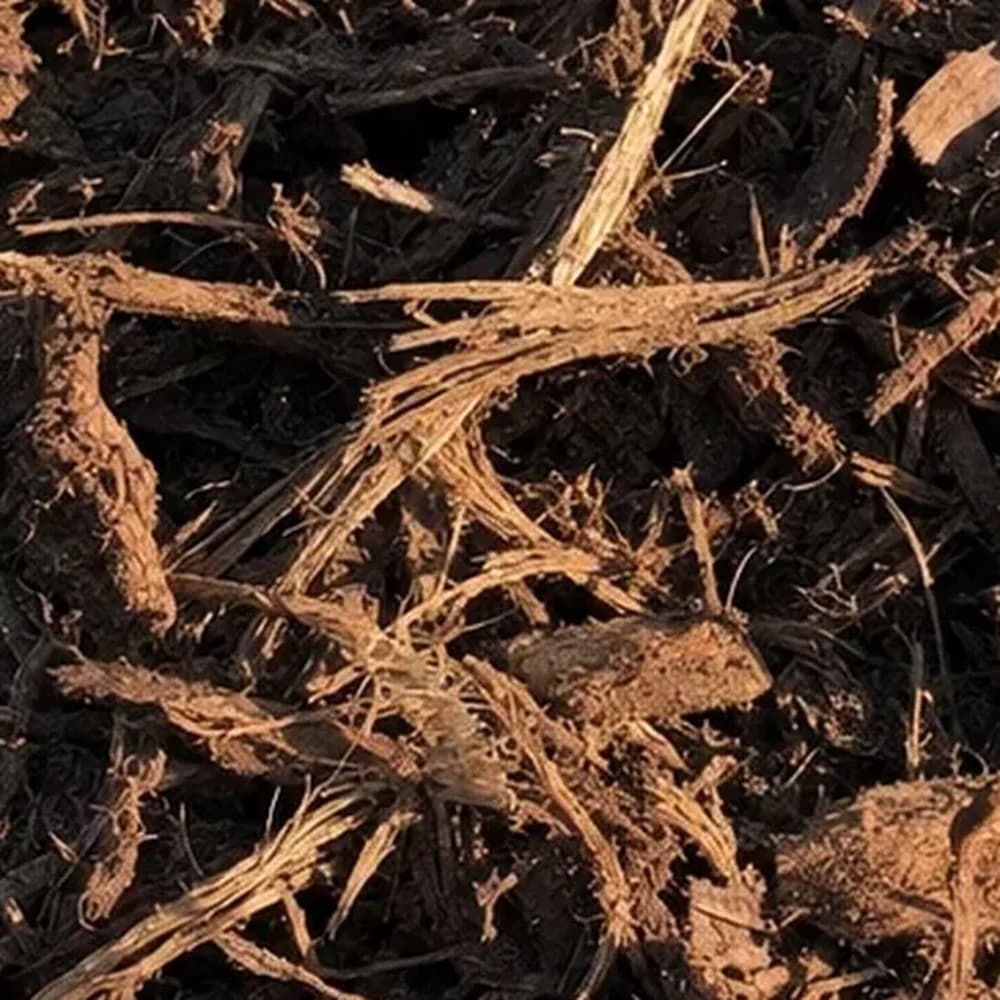
The calculator is set for shredded hardwood, which settles into a connected layer and tends to remain in place on mild slopes. Chips and nuggets can remain intact a season or two longer, though heavy rain may float and disperse them. Dyed mulch retains its color while decomposing more slowly. The quantity calculation stays the same across these materials, so type changes the appearance and renewal schedule, not the order volume.
Preparing for delivery
A pile of Three yards of mulch is roughly small-car sized. Reserve a parking-space area of driveway, place a tarp underneath, and have the load tipped there, since shredded mulch can stain new concrete. Plan to spread it in a week or two. If a large pile sits for a month, its interior can heat and turn sour. Allow 30 to 45 minutes of wheelbarrow work for each yard, then save the final half-yard for the overlooked beds behind the garage.
Frequently asked mulch calculations
How many mulch bags equal a cubic yard?
How many cubic feet does one mulch yard contain?
How much mulch is required?
What area can one yard of mulch cover?
What is the weight of a mulch yard?
What is the cost of a yard of mulch?
Will mulch draw termites?
Can fresh mulch go over an older layer?
Other calculators
Avoid filling a cart with 27 bags.
Order bulk shredded hardwood by the yard for driveway delivery at no charge.